Digital Innovation for the Next Generation of Industrial Operations

Publicerat 29 May 2026

Industrial companies today operate in an environment defined by uncertainty, complexity and accelerating technological change.

Supply chains are becoming more dynamic, customer requirements are evolving faster, and new digital technologies continue to reshape how industrial value is created and delivered.

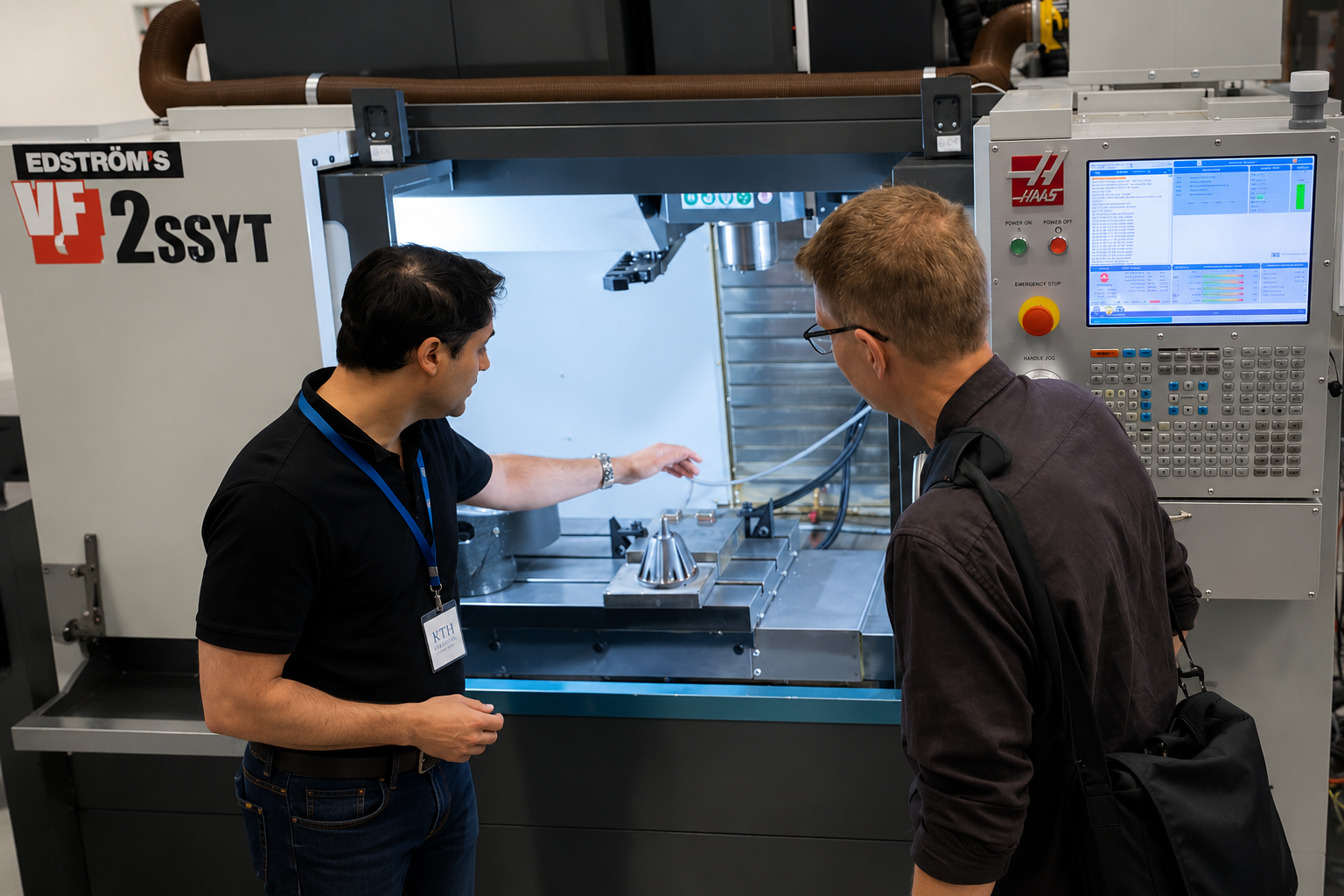
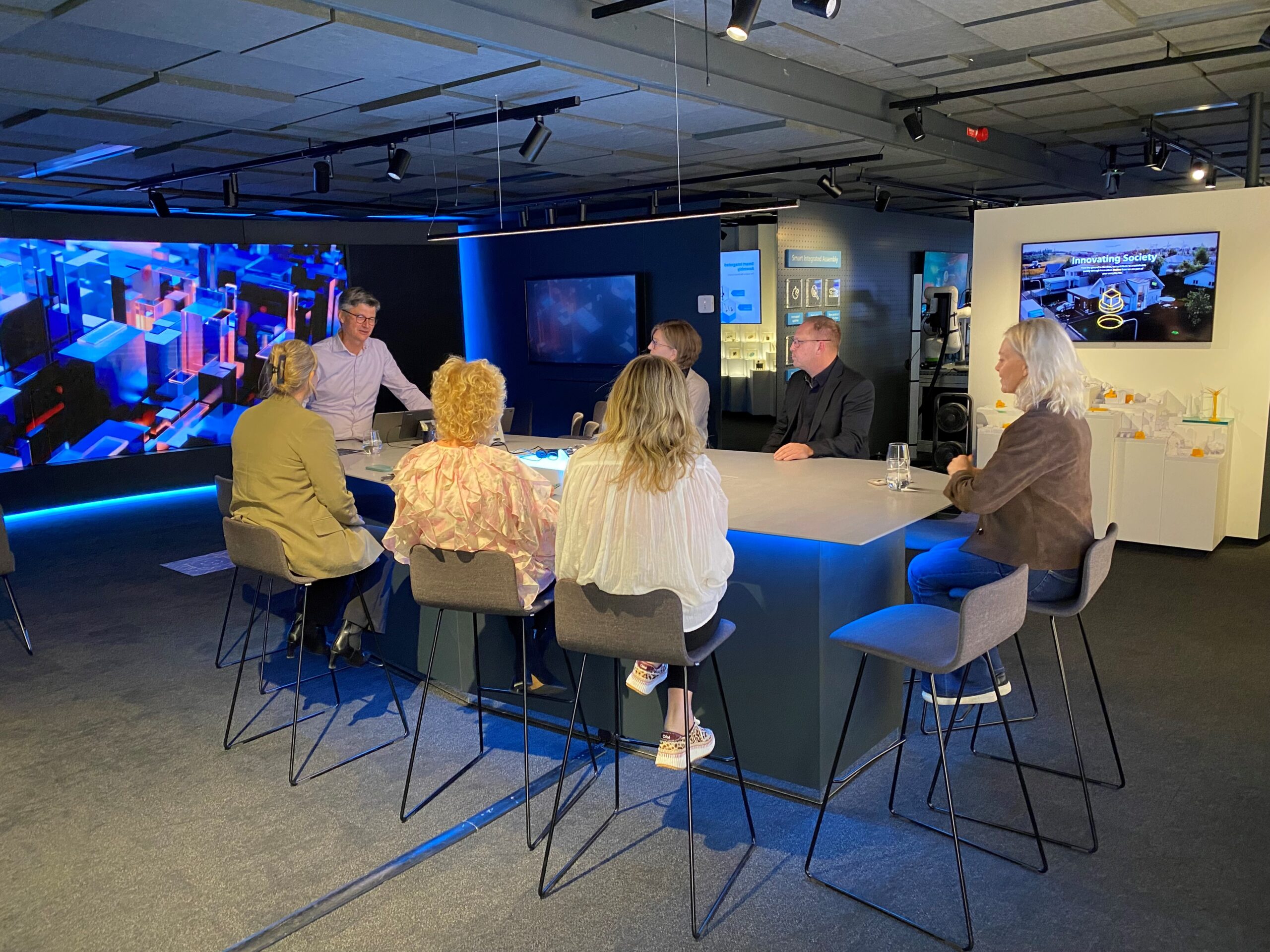
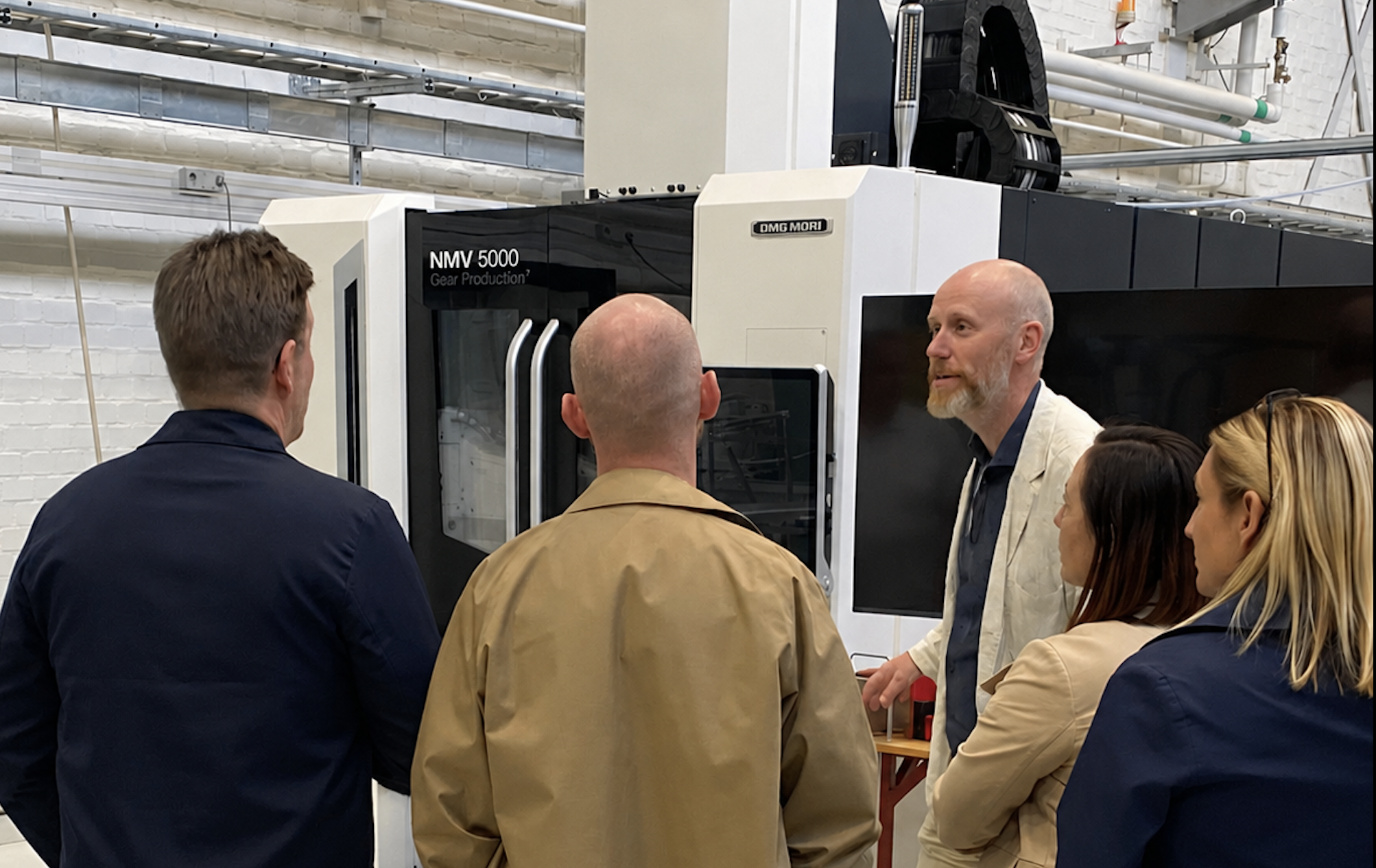
This is why spending time with colleagues in KTH’s production engineering environment is so valuable. It provides an opportunity to explore how advances in AI, digital twins, machine learning and smart production logistics are helping shape the next generation of industrial operations.

What stands out is not only the technology itself, but the focus on creating tangible value across the entire industrial system—from individual workstations and factory operations to logistics networks and supply chains.

A few observations are particularly striking:

• The future of industrial operations is not about isolated technologies. It is about connecting data, analytics and operational decision-making to create tangible business value.

• As production and supply chain environments become more dynamic, resilience, adaptability and real-time visibility become increasingly important capabilities.

• The most exciting developments are not replacing people. They are augmenting human capabilities and creating more intelligent, responsive and sustainable industrial systems.

Equally impressive is the strength of the collaboration between research and industry. Through initiatives such as Centre X and XPRES, researchers and industrial companies work together to address real operational challenges while developing the capabilities needed for future competitiveness.

For those of us working at the intersection of leadership, innovation and industrial transformation, these collaborations provide valuable insight into where industrial operations are heading — and what it will take to succeed in an increasingly dynamic world.


AI Beyond Automation: Leading the Shift to Human-AI Collaboration

Publicerat 24 April 2026

Artificial intelligence is often framed as a story about automation. Which jobs will disappear? Which tasks will machines take over? But according to former KTH Visiting Professor and technology strategist Nicklas Berild Lundblad, who has held senior leadership roles at Google and DeepMind, these are not the most important questions.

At KTH Executive School, Lundblad challenges leaders to look beyond the technology itself and focus on how organizations adapt, learn and create value in a rapidly changing landscape.

While advances in AI continue at an extraordinary pace, the real challenge lies in how people and organizations respond. Rather than a simple choice between humans and machines, the future is increasingly about effective collaboration between the two. As AI becomes more capable of reasoning, planning and supporting complex tasks, organizations will need to rethink roles, workflows and decision-making processes.

In the ongoing debate about the future of work, the key question is not whether work will change, but whether organizations can manage the transition proactively and develop the capabilities needed to thrive in a new environment.

AI is a powerful cognitive tool — augmenting human capabilities rather than replacing them. It can accelerate learning, support better decision-making, and enable new forms of creativity, innovation and problem-solving.

For leaders, this means that success will depend less on access to technology and more on the ability to ask the right questions, identify meaningful opportunities and build organizations that continuously learn and adapt. The future of AI may still be uncertain, but one thing is clear: the organizations that succeed will be those that learn how humans and intelligent systems can create value together.

Scaling Industrial Innovation: Lessons from the Northvolt Experience

Publicerat 20 March 2026

What does it take to transform a bold industrial vision into a successful large-scale business?

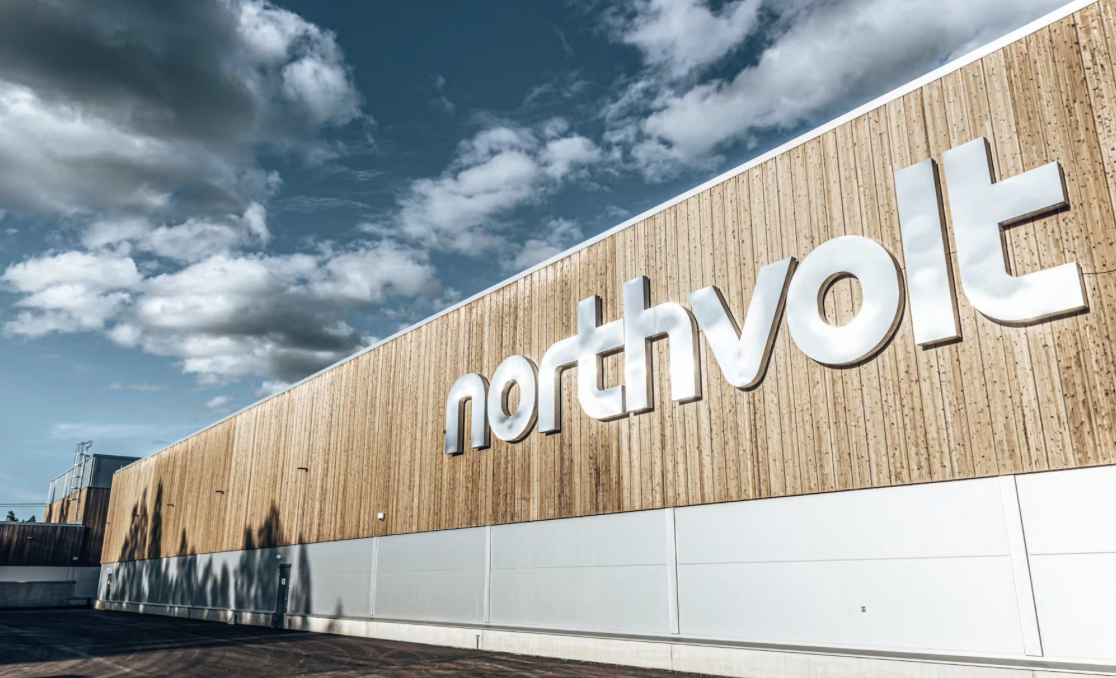
This question was at the center of a recent discussion at KTH Executive School, using the rise and fall of Northvolt as a lens to examine one of the most pressing challenges in innovation management: scaling ambitious ventures while maintaining the governance, discipline, and risk management required for long-term success.

The discussion highlighted how many of today’s strategic industrial investments — from batteries and hydrogen to semiconductors and advanced energy technologies—face a common challenge. While visionary thinking is necessary to create breakthrough opportunities, scaling those opportunities requires a very different set of capabilities.

Several key insights emerged:

  • Ambitious visions are essential, but they must be accompanied by rigorous decision-making and evidence-based milestones.
  • Organizational design, leadership, and incentives play a critical role in determining whether innovation efforts succeed or fail.
  • Successful organizations remain committed to their mission while staying flexible about the technologies and solutions used to achieve it.
  • Independent challenge and constructive scrutiny—from boards, external experts, and internal review mechanisms—help reduce blind spots and improve decision quality.

The Northvolt case illustrates the complexity of moving from innovation to industrial execution. It serves as a reminder that building a promising venture is only the beginning; scaling it sustainably requires governance structures, operational discipline, and leadership capabilities that evolve with the organization’s growth.

For leaders responsible for innovation and transformation, understanding the transition from exploration to execution may be one of the most important capabilities of all.

Strengthening Leadership at Hägglunds to Support Production Expansion

Publicerat 2 February 2026

Strong leadership makes all the difference during periods of radical expansion.

Leaders bring people together, help navigate uncertainty, and create the stability needed when pressure is high. Perhaps most importantly, when organizations need to change, the importance of learning only increases.

We would like to extend our sincere thanks to the leadership team at BAE Systems Hägglunds – Production, Service and Logistics – for the trust placed in us to contribute to your efforts to scale the production of world-class armored vehicles.

We are both humbled and grateful for the important work you do.

Following several intensive days of leadership development, some of our key takeaways included:

  • When the pace is high and the pressure is intense, it is easy to lose sight of what we already know.
  • The essence of leadership is to provide clarity, create the right conditions for success, and develop both capabilities and mindsets.
  • Continuously evaluating priorities and making time for what is important— not only what is urgent — is critical. Equally important is aligning priorities both within organizational boundaries and across the entire value stream.

A special thank you also to KTH Adjunct Professor Bengt Savén for your leadership framework that helped shape our discussions and learnings.

Merry Christmas — Food for Thought for the Year Ahead

Publicerat 18 December 2025

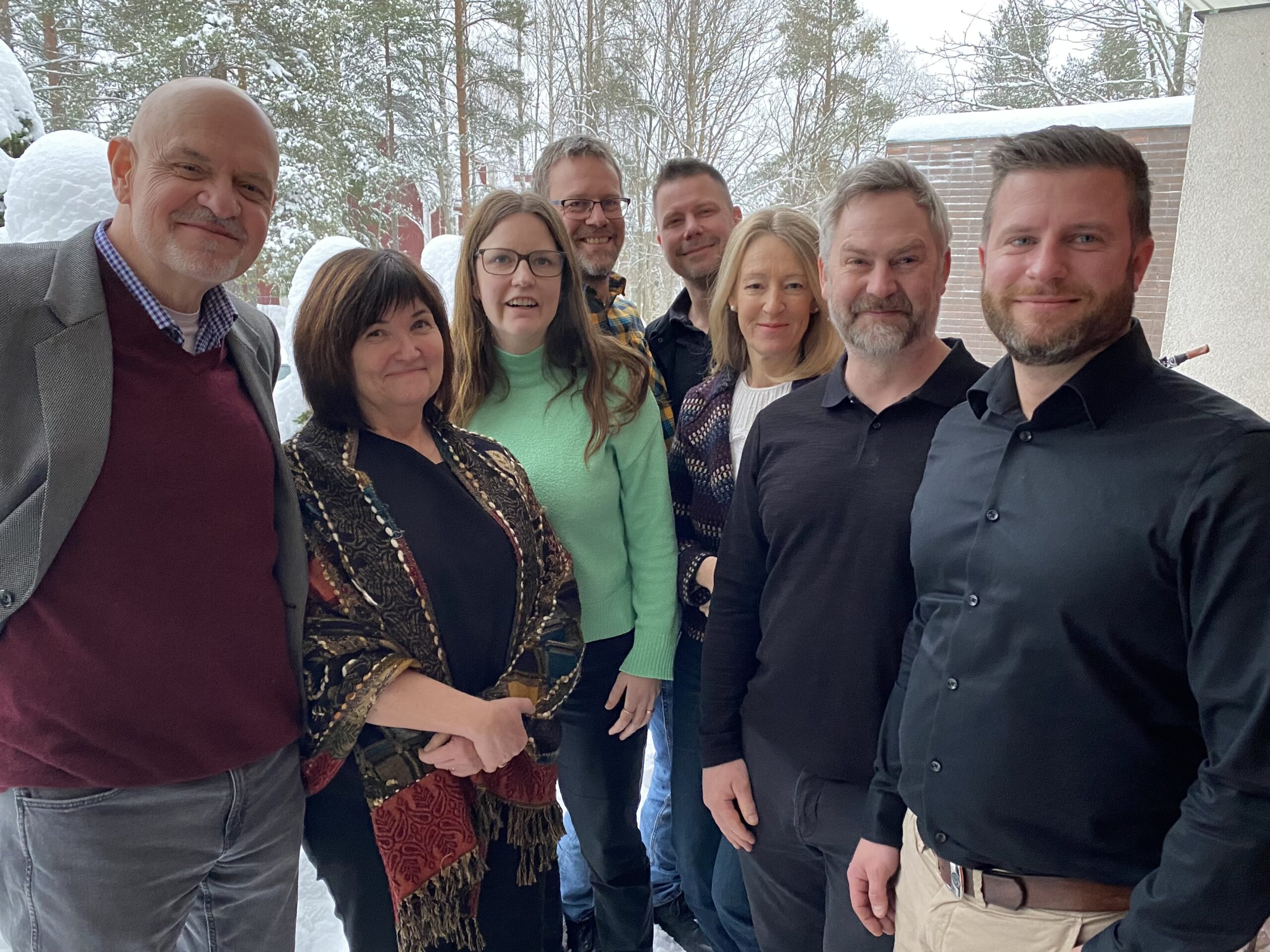
As the winter holiday season approaches, we at KTH Executive School would like to thank all of you who joined us on learning journeys this year—for your trust, curiosity, and commitment.

In a year marked by uncertainty, leadership has mattered more than ever — and become distinctly multi-disciplinary: AI and compute, geopolitics and economic statecraft, execution capacity, financial resilience, and sustainability are now deeply interconnected.

In that spirit, we’re sharing a holiday reading list of standout 2025 titles, chosen to broaden perspectives and spark relevant conversations.

Thank you for being part of learning that is daring, sharing, and caring — ambitious in intent, collaborative in practice, and and human in how we lead. We look forward to an inspiring year ahead full of thoughtful dialogue, experimentation, and measurable results.

We wish you a Merry Christmas and an inspiring start to 2026!


Recommended readings


The Thinking Machine  
A vivid account of Nvidia, Jensen Huang, and why compute has become a strategic bottleneck.
Discussion: Where is “compute” becoming a constraint in your strategy—capability, data, talent, governance, or partners?
See here


Chokepoints 
How sanctions, export controls, and financial infrastructure shape power and risk.
Discussion: What’s your organization’s “chokepoint exposure” — currency, energy, chips, logistics lanes, or regulation?
See here


How Progress Ends
A long-run view on innovation, bureaucracy, and the conditions for sustained progress.
Discussion: Where has your organization become “process-perfect” but outcome-poor?
See here

Winning Together: Exploring Integrated Solutions at Sandvik

Publicerat 11 December 2025

A warm thank you to Sandvik Intelligent Manufacturing for generously hosting a learning module in collaboration with us at KTH Executive School.

We explored what it takes to support solution- and outcome-based business models — and how to do so while staying true to a decentralized philosophy.

What stood out:
🔹 The value of spending time to truly detangle challenges
🔹 Choosing an approach that enables early wins
🔹 The crucial roles of culture and ways of working
🔹 Coordination across internal units and external partners
🔹 Securing the capabilities needed to scale

We were particularly impressed by the seamless digital integration in the solutions. Truly living the brand promise: Advancing the world through engineering – and Winning Together.

Turn Supply Chain Complexity Into Concrete Priorities and Lasting Improvements

Publicerat 16 November 2025

We are grateful for how participants describe our Supply Chain Management Program as adding real strategic and practical value.

Warm thanks to Richard Meurke, Head of Supplier Delivery Management at Scania Group, for contributing to the 2024 cohort — and for generously sharing your reflections:

“Participating in the KTH Executive School Operations and Supply Chain Management Program deepened my strategic understanding of the end-to-end supply chain. I now approach decisions with a more complete view of the value chain and can collaborate more effectively with both internal and external partners.

The sessions on AI and digital tools gave me insights into, among other things, how to improve delivery accuracy, manage risks, and plan capacity. Circularity in the supply chain was another highlight, and I gained a better understanding of how to assess our suppliers’ work in this area.

The program combined theory with real-life practice, and we visited leading industrial company sites in Sweden to see what world-class production and logistics look like in action.

The leadership parts of the program helped me reflect on how I lead in a changing environment. The model we used — especially the concept of contribution management — has worked very well in my leadership. I have handed over several strategic tasks to team members who now drive them forward with strong results.

The program also gave me the opportunity to reflect on the challenge of driving change when many transformation projects are happening at once — it is easy to lose focus in those situations.

I learned not only from the program, but also from the open discussions among the participants. Listening to others who also work in industrial companies, and sharing our different experiences, added a lot of value. We came from different businesses, but many of the challenges were the same.

I would recommend this program to leaders who want to turn supply chain complexity into concrete priorities, smarter decisions, and lasting improvements.”

Where the Future of Cybersecurity Takes Shape: Inside the Royal Hacking Lab

Publicerat 17 October 2025

Seven years ago, we began exploring cybersecurity under the headline: “Cybersecurity – Understanding and Avoiding New Threats.”

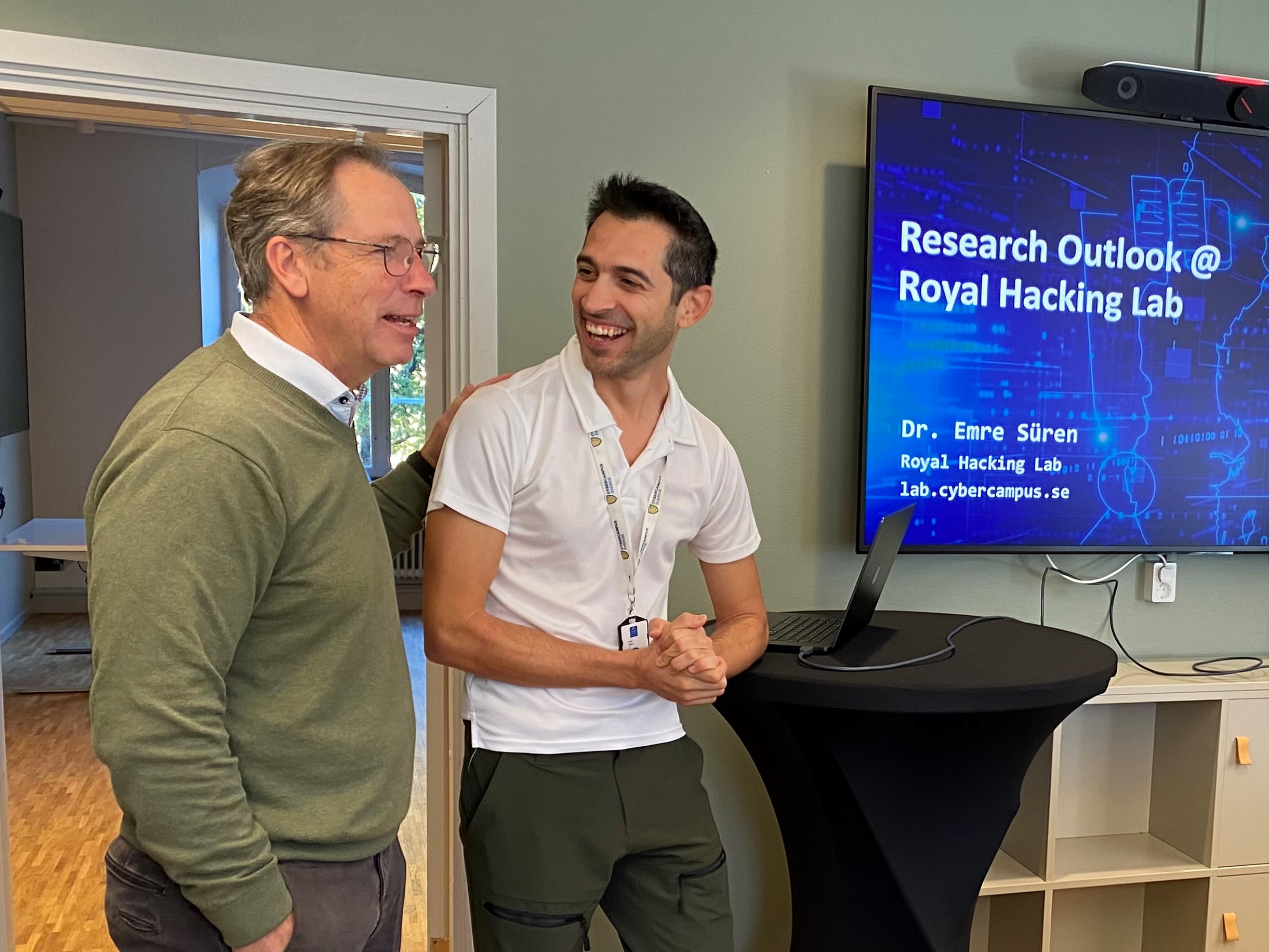
Today, we regularly bring groups of executives to experience the vibrant environment at Cybercampus Sweden at KTH Royal Institute of Technology and the Royal Hacking Lab.

In a digital world where factory shutdowns, compromised devices, and AI-generated attacks are no longer hypothetical but real and recurring risks, the work being done at KTH is not just timely — it’s essential.

🔐 From IoT vulnerability research (50+ devices tested!) to cyber threat intelligence and ethical hacking, KTH is leading by example. Teams identifies vulnerabilities before hackers do — not to exploit them, but to fix them. This is cybersecurity as a public service.

During our visits, we learn about:
💡 The importance of building security in from the design phase
💡 Risks like AI prompt injection in applications powered by LLMs
💡 The benefits of shifting from a reactive “protect-and-defend” mindset (e.g., relying on traditional antivirus programs) to a more proactive model based on:
1️⃣ Intelligence services
2️⃣ Vulnerability analysis
3️⃣ Minimising attack surfaces

The Cybercampus is also open to collaboration — from third-party tool testing to joint research proposals. Already, 75+ research theses have contributed to improving the security and resilience of Swedish society.

A big thank you to Emre Süren and the entire team at Royal Hacking Lab and Cybercampus Sweden — joined by our Ulf Änggård — for the critical work you are doing. Cybersecurity may not always make headlines — until it does.

Thanks to your efforts, we can all be better prepared. 🙌

Leading Change at Speed? Make Room to Turn

Publicerat 6 October 2025

It is in times of transformation that leadership really matters – bringing us together and moving us forward.

In the words of Atlas Copco Industrial Technique: While technology continues to transform business, future-proofing people has never been more business-critical. A heartfelt thank you to the team for hosting us.

Gianpiero Petriglieri, Associate Professor at INSEAD, shared reflections from his research on how care is central to leadership. To be moved and to act differently, we first need to feel that a leader truly cares about us, our concerns, and our aspirations.

One key insight that resonated deeply:
It’s not uncertainty that challenges us in times of change, it’s the anxiety it creates.

A metaphor that stuck: the faster you go, the longer the trajectory required to make a turn. If you want to change direction at speed, you need to slow down and to make space.

And perhaps the most important takeaway:
In transformation, learning isn’t a side note – it’s the main act.

Once again, a warm thank you to the team at Atlas Copco for creating the space for such meaningful exchange.

Building value through innovation: lessons from inside Hiab

Publicerat 4 October 2025

A warm thank you to the entire team at Hiab in Hudiksvall for generously hosting a learning module with us on how to drive value and organic growth through innovation and product development.

🚛🔧 We got a deep dive into what it means to engineer resilience and performance into loader cranes — from an easy-to-grasp design process, through a robust design philosophy and control system, all the way to Hiab’s internally developed calculation tool.

What stood out:
▶️ How looking beyond the long term — across ecosystems, products, and technologies — can guide strategy, using the helpful metaphor of trees, plants, and seeds to describe maturity.
▶️ What it takes to foster innovative behavior and a forward-looking culture.
▶️ Design at HIAB goes beyond engineering — it’s an integrated process grounded in real-life usage data, standards, simulation, and continuous learning from the field.
▶️ Their Architecture Optimized Design and Capacity Based Modularity exemplify how scalability and performance can go hand in hand, enabling faster innovation and better cost-efficiency.
▶️ The beautiful metaphor of the crane as a living system: the steel structure is the skeleton, the hydraulics the muscles, the control system the brain, and the sensors the eyes.
▶️ And perhaps most striking: the genuine passion of the team — many described their work as an engineer’s dream.

In essence: a masterclass in how engineering, product development, and digital tools come together to build world-class intelligent, safe, and efficient machines — truly Built to Perform.